
Military
RoWorld military guide: troop pushes, transport ships, warships, atomic and hydrogen bombs, MIRVs and missile defense for land, sea and nuclear war.
Introduction
RoWorld's military layer is where territory decisions become irreversible. Troops push a border, transport ships open a second axis across water, warships contest the sea lanes that keep an invasion supplied, and nuclear weapons decide whether a late-game stalemate breaks or escalates. The official description confirms that attacks, alliances and nuclear weapons are part of the game; community reports describe how troop commitment, transport ships and missile defense appear to behave. This page treats those reports as working models, not official numbers. The aim is to help you think about the attack layer in terms of exposure: every unit you commit is a unit that is not defending, and every escalation invites a response you may not be able to absorb.
Unit Quick Reference
| Unit | Domain | Best Use | Main Risk |
|---|---|---|---|
| Troops | Land | Expanding and contesting one land border | Spreading them across several fronts |
| Transport Ships | Naval transport | Crossing water to open a new front | Caught at sea without an escort |
| Warships | Naval combat | Contesting sea lanes and screening transports | Cost competes with the land army |
| Atom Bomb | Nuclear | Breaking a fortified border | Provoking an exchange you cannot win |
| Hydrogen Bomb | Nuclear | Striking a developed core | Escalation against a second-strike power |
| MIRV | Nuclear | Saturating missile defense | Emptying the arsenal too early |
Unit Profiles
Troops
The default answer to a land border
Transport Ships
A second axis that most land players forget to watch
Warships
Sea control as a support system, not a win condition
Atom Bomb
The first escalation step and the easiest to misread
Hydrogen Bomb
Escalation aimed at a developed core
MIRV
A saturation tool for missile-defense problems
Core Mechanics
The military layer works as a set of trade-offs rather than a tech tree. Land troops are flexible and cheap enough to use in most situations, but they cannot cross water without ships and they cannot be in two places at once. Transport ships convert a coastline into an attack route, but they are vulnerable while loaded and require a port and a plan. Warships contest the water that transports depend on, which makes naval power a support system rather than a standalone win condition. Nuclear weapons sit above all of this: community guides describe atomic bombs, hydrogen bombs and MIRVs as escalation options, with SAM launchers as the interception answer. Because the exact damage, range and cost values are not officially published, the useful discipline is to ask what each unit changes about the map, not how much damage it deals in isolation.
Advantages
A clear military model prevents two opposite mistakes: hoarding troops until the match ends and spending them all on one dramatic push. Understanding domains lets you choose the cheapest tool for each job. If a neighbor is exposed by land, troops are enough. If the sea offers a shorter path to a weak rear, a transport plus escort can be decisive. If a fortified border has stalled both sides, a strike option may break the deadlock, but only if you have already prepared for the response. The military page also helps with deterrence: a visible warship or a known silo changes how neighbors behave without a shot being fired. That is often more valuable than the same resources spent on a marginal attack.
Challenges
The uncertainty here is significant. Community reports describe unit behaviour in general terms, and RoWorld is a young game that receives frequent updates, so specific interactions can change. Naval play is especially map-dependent: a strategy that dominates an island board may be irrelevant on a landlocked regional map. Nuclear escalation is also easy to misjudge, because the visible cost of a strike is not the full cost of the retaliation it invites. Finally, military advice cannot account for diplomacy. A perfect attack on paper can fail because a third player joins the war, and a mediocre attack can succeed because an ally removes the defender's other front. Treat every unit recommendation as conditional on the diplomatic situation.
Frequently Asked Questions
Should I focus on land or navy first?+
When is a nuclear strike worth it?+
How do I defend against a naval invasion?+
Quick Tips
Choose the domain before you choose the unit. Ask whether the objective is a land border, a sea crossing or a fortified position, then spend on the tool that solves that problem. Buying a navy because it looks strong, or a missile because it looks decisive, usually produces a force that does not match the map in front of you.
Never send the last of your troops into an attack. Keep a reserve that can cover a surprise second front, and treat that reserve as untouchable until the match depends on it. A large attack that wins one border but loses another is not a victory; it is a trade you did not need to make.
Before escalating, ask what the other side can do back. A nuclear strike is only a good trade if the retaliation is smaller than the gain. If the enemy has a silo, a SAM network or an ally with both, the strike may hand them the initiative even if it looks successful on the map.
Featured

RoWorld Naval invasion: Launch a Coordinated Attack
Master roWorld naval invasion tactics with warships, transport ships, atom and hydrogen bombs, plus missile defenses that can stop incoming fleets.
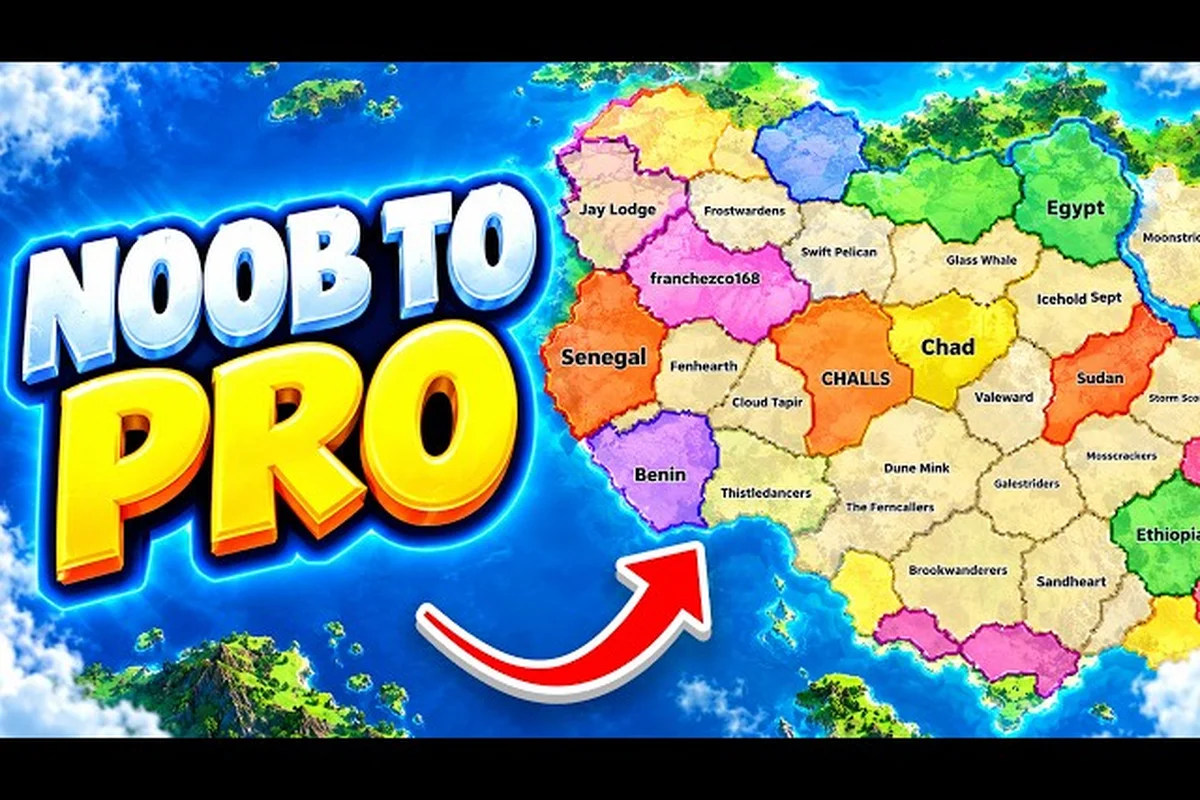
RoWorld War guide: Command Troops and Missiles
Master the roWorld war guide with proven troop, warship, nuke, MIRV, and missile tactics for coordinated attacks and stronger defenses.
RoWorld Coastal defense: Stop Enemy Fleets Early
Strengthen roWorld coastal defense with naval positioning, nuclear deterrence, and first-strike plans that protect coastal territory from rival invasions.
All Articles
RoWorld How to Invade: Break a Rival Nation
Learn roWorld how to invade with armies, warships, transport ships, and coordinated attacks while countering nukes and intercepted missiles.
RoWorld How to win a war with Smart Production
Discover roWorld how to win a war by timing attacks, building a troop advantage, sustaining military production, and exploiting weak borders.
RoWorld Military guide for Land and Sea Wars
Explore the roWorld military guide to plan troops, warships, transport ships, invasions, and border defenses for coordinated World PvP campaigns.
RoWorld Troop movement for Faster Battlefield Control
Optimize roWorld troop movement with production timing, attack routes, troop management, and border positioning that keep offensives and defenses coordinated.