
Mechanics
How RoWorld works: territory growth, troop commitments, gold income, combat resolution, elimination and the 80% world-control victory rule explained.
Introduction
RoWorld mechanics are easy to describe and hard to master because every system feeds the next one. Territory produces the space you need to expand, gold pays for the infrastructure and army that hold that space, and troops decide which borders move. The official description confirms the headline rules: 88 player nations plus hundreds of tribes, up to 55 players per server, and an 80% world-control victory condition. Everything else, from the exact cost of a building to the reported penalty for breaking an alliance, comes from community testing and is labelled accordingly. This page explains the relationships between systems rather than a fixed build order, so you can reason about a new map, a new patch or a losing position without waiting for a guide to be rewritten.
Core System Reference
| System | What It Controls | What to Watch |
|---|---|---|
| Territory | Map control, border length and expansion room | Every new border is a new front you must defend |
| Troops | Attack strength and deterrence | A committed army is not available to defend elsewhere |
| Gold | Buildings, expansion and upkeep | Income must grow faster than your army |
| Combat | Which side takes the contested border | Local advantage matters more than total map size |
| Victory | 80% world control ends the match | The last few percent are the most contested |
System Breakdown
Territory
The map is the scoreboard, but every claim creates a border
Troops
The resource that moves borders and deters opportunists
Gold
The budget that turns territory into infrastructure and armies
Combat
Local force and preparation decide a contested border
Victory
80% world control ends the match and invites a coalition
Core Mechanics
The core loop is expand, build, negotiate and attack, and each phase creates the conditions for the next. Expansion gives you borders, borders create threats, threats create the need for income, and income lets you field the army that takes more land. Because the map is shared, your growth is always relative: a safe border is valuable only while your neighbors are also busy. Troop commitment is the key tension. Community reports describe an attack as committing a share of your available troops, which means every offensive weakens your defense until those troops are replaced. Gold resolves the tension by funding both infrastructure and replacement troops, but only if your income is growing. The 80% rule converts a long game into a race: once one nation becomes clearly dominant, the remaining players have a shared interest in stopping it.
Advantages
Understanding the system layer makes you a better negotiator and a better attacker. You can predict which neighbor is overextended by looking at their border shape, and you can tell whether a large army is actually affordable or simply a temporary spike that will collapse when upkeep arrives. Because the victory condition is public, you can also anticipate coalition behaviour: a player approaching 80% control will attract coordinated resistance, which creates opportunities for a smaller nation that stays out of the spotlight. The mechanics page also helps you evaluate community advice. If a guide recommends a strategy that ignores income or defense, you can see immediately why it only works in a specific lobby. That makes it easier to adapt proven ideas instead of copying them blindly.
Challenges
The main weakness of any mechanics page is uncertainty. RoWorld is a Roblox adaptation of OpenFront.io, so some systems will look familiar to players of the browser game, but the two are not identical and this wiki does not assume that OpenFront values carry over. Many precise behaviours, including attack resolution details, building costs and the traitor penalty, are community-reported rather than officially documented. That means two sources can disagree without either being obviously wrong. The game is also updated frequently, so a mechanic that was true last month may have changed. Use this page to build a mental model, then verify the specific number you care about in a live match before you risk a large army on it.
Frequently Asked Questions
How does territory growth actually work?+
What decides a fight in RoWorld?+
What happens when a nation is eliminated?+
Quick Tips
Track your border count as carefully as your territory count. A nation with four short borders is usually safer than a nation with two long ones, even if the second nation controls more land, because each additional border needs troops and attention. When you capture territory, ask whether the new shape reduces the number of directions you must defend.
Keep a reserve that you never send to the front unless the match depends on it. Reserves deter opportunistic attacks, cover a surprise second front, and give you something to rebuild with after a bad fight. A player with no reserve is forced to accept every diplomatic demand, which is a losing position even if their army looks large.
Before you build anything expensive, ask what happens if the border next to it collapses. Infrastructure placed on a contested edge is effectively a gift to the neighbor who breaks through. Build in the interior first, then extend toward the frontier only when you can actually defend the construction site with troops or diplomacy.
Featured
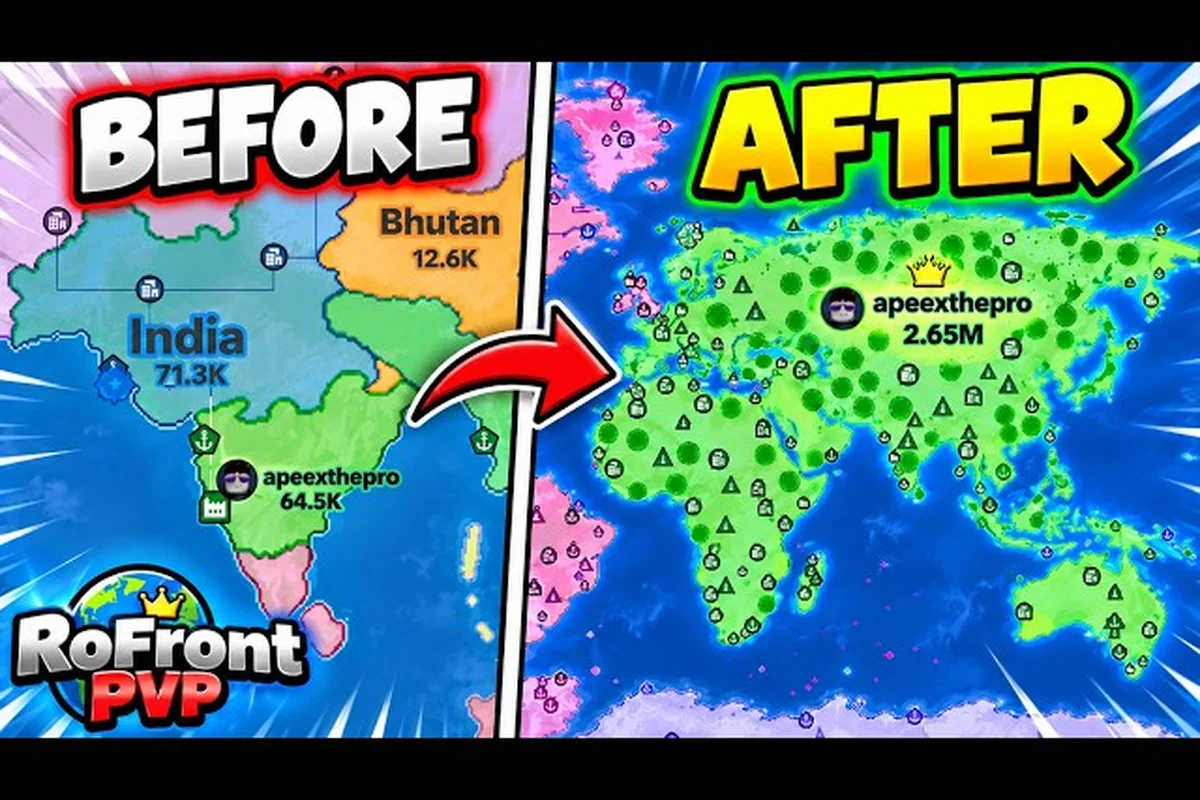
RoWorld Alliance mechanics: Coordinate Your Conquest
Understand how the roWorld alliance mechanics support joint wars, shared objectives, transport, and coordinated conquest.
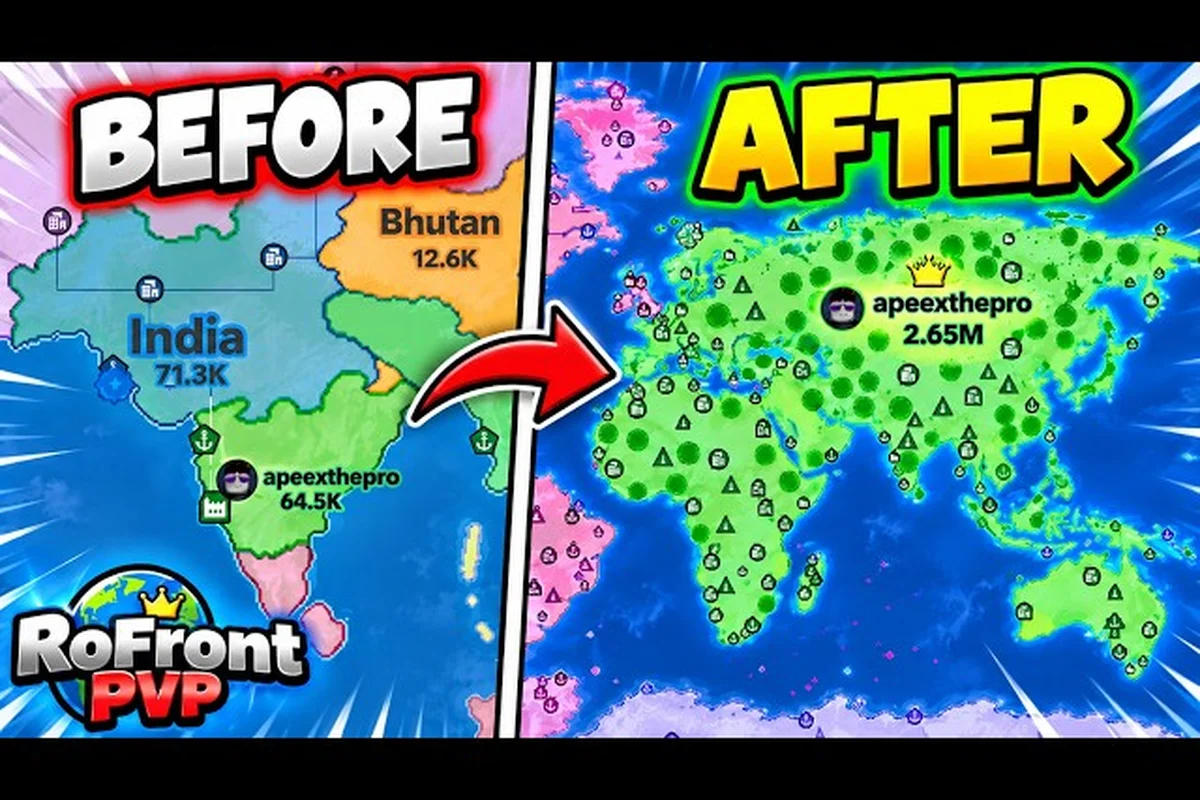
RoWorld How defense posts work: Protect Land
Learn how roWorld how defense posts work with troop counts, missile silos, and SAM launchers. Place border defenses where attacks land and avoid wasted gold.
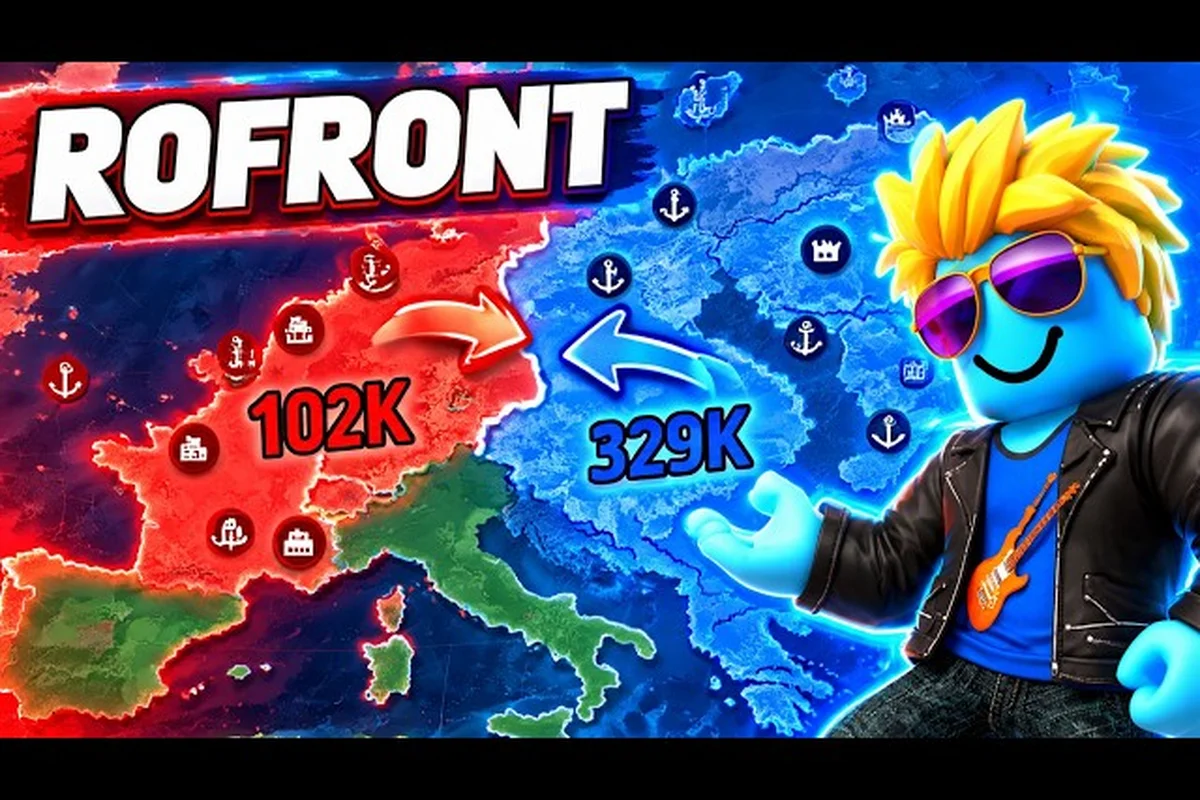
RoWorld Economy mechanics: Gold, Territory, and Victory
Master roWorld economy mechanics to fund troops and push toward 80% control. See how gold income, city spending, and upkeep shape every decision.
All Articles
RoWorld Border mechanics: How Expansion Works
Explore how the roWorld border mechanics connect capitals, cities, ports, and factories to shape your nation's expansion.
RoWorld How gold works: Fund Your Nation's Growth
See how roWorld how gold works to finance cities, ports, factories, and infrastructure that expand your nation's power.
RoWorld Territory system: How Land Control Works
Learn how the roWorld territory system turns captured land into control, income, and expansion opportunities for your nation.
RoWorld Tribe behavior: Learn the Match Loop
Discover how roWorld tribe behavior shapes the match loop, including capital drops, expansion, elimination, and victory conditions.